Learning Neighbourhoods: Bringing Lifelong Learning Closer to Home
Dublin Learning City’s Learning Neighbourhoods programme is about one simple idea: everyone should be able to find learning, training and educational opportunities right on their own doorstep. Since the programme began, we’ve worked with local communities across the city to map out what’s already there, connect residents to it, and build networks that make lifelong learning part of everyday neighbourhood life.
So far, two areas of Dublin have been officially recognised as UNESCO Learning Neighbourhoods — with a third now underway.
D2/D4 (Pearse Street, Ringsend & Irishtown) — Announced April 2026
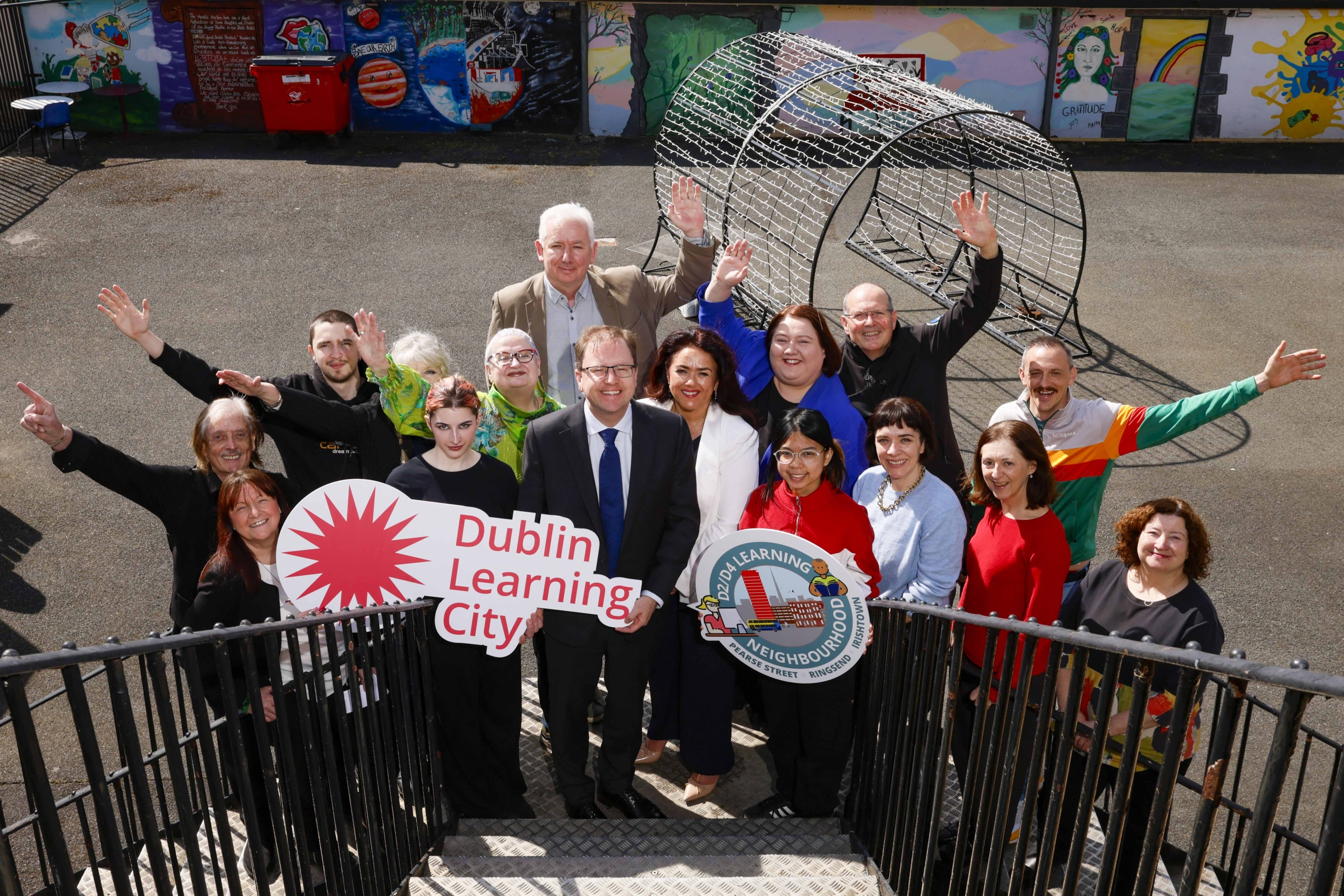
Dublin’s third Learning Neighbourhood was announced on Thursday 23rd April 2026 at St Andrew’s Resource Centre, as a keystone event of the Dublin Learning City Festival. The announcement was made with James Lawless TD, Minister for Further and Higher Education, Research, Innovation and Science.
A dedicated D2/D4 Learning Neighbourhood working group has now been established to bring the project to life — including Greenore Community Group, St Andrew’s Resource Centre, RICC (Ringsend Irishtown Community Centre), the Trinity Access Programme, Trinity College Dublin, IADT, NCAD, UNESCO Dublin Learning City, Dublin City Council and City of Dublin Education and Training Board. Their focus will be producing a guide for local residents, highlighting the learning and training opportunities — formal and informal — available across Pearse Street, Ringsend and Irishtown.
Minister James Lawless TD said the initiative was “a testament to the local community and the many incredible resources that exist in your locality to encourage residents to upskill, continue their education, or take up a new hobby” — one that ensures “nobody gets left behind.”
Liz Watson, Chairperson of the D2/D4 Learning Neighbourhood, welcomed the announcement as “a fantastic development for our local community,” pointing to the strength of the partnership with St Andrew’s Resource Centre, Ringsend Irishtown Community Centre, the Trinity Access Programme and Unit 18 Trinity in the Community.
D10 — Launched April 2025
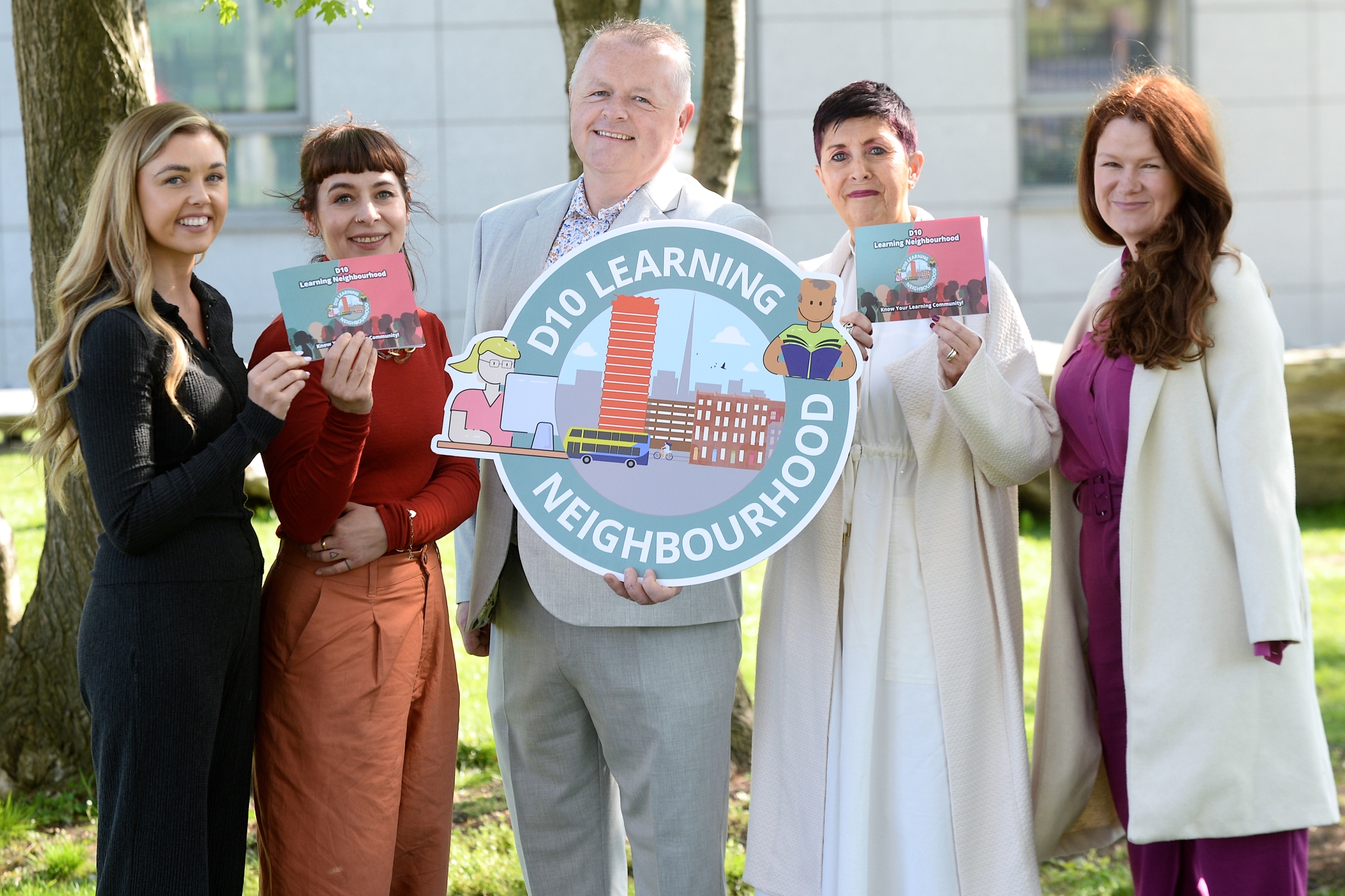
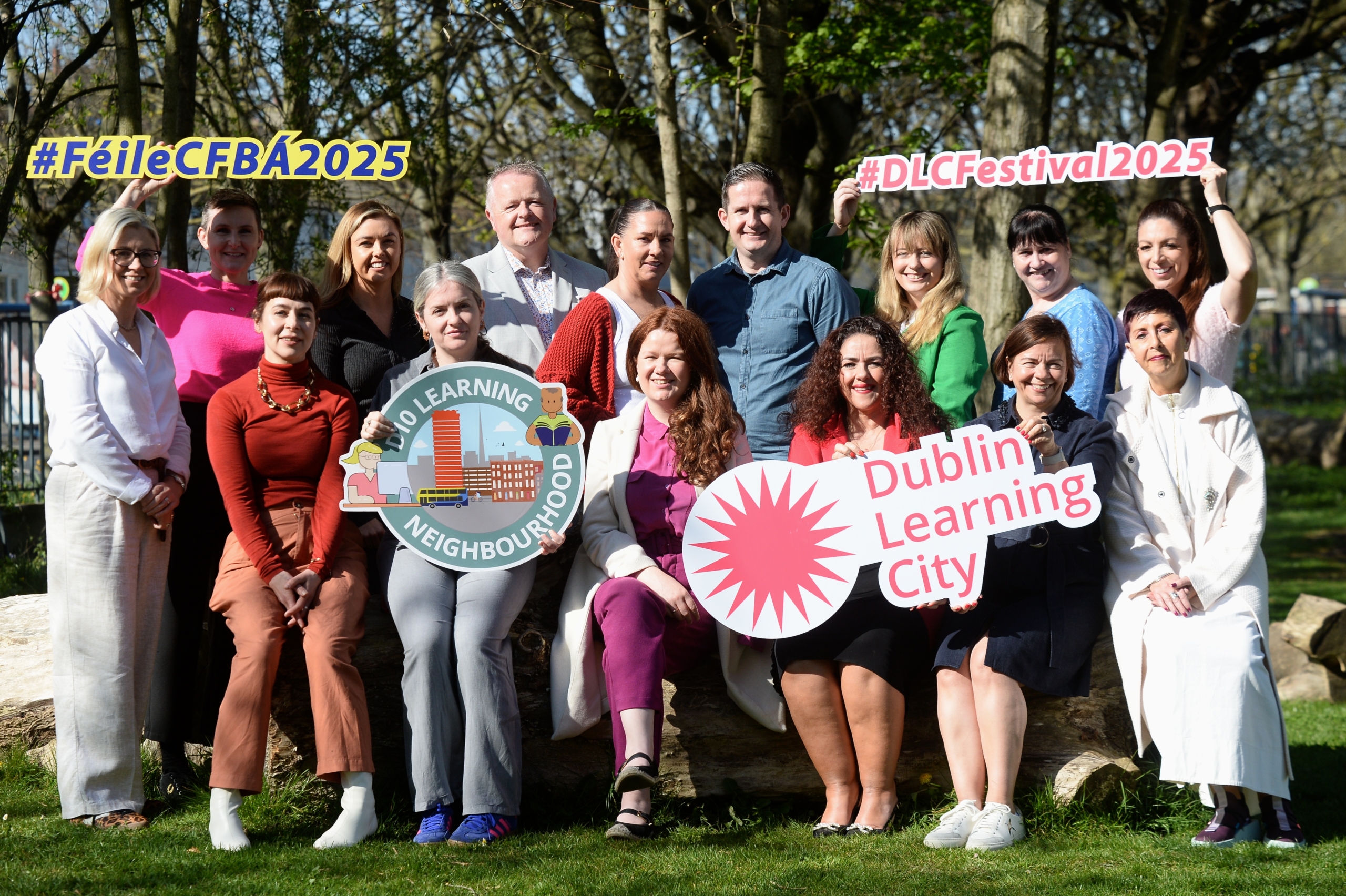
Dublin’s second Learning Neighbourhood, D10, was launched on Wednesday 9th April 2025 at Ballyfermot Civic Centre, closing out that year’s Dublin Learning City Festival. The launch was marked by the publication of the D10 Learning Neighbourhood Brochure — a living guide to local learning and educational opportunities, developed with a working group including UNESCO Dublin Learning City, Dublin City Council, City of Dublin Education and Training Board, Liffey Partnership and Sláintecare Healthy Communities.
Dave O’Donovan, Cherry Orchard Project Manager, called it “a testament to the D10 community,” with hopes it would pave the way for further local branding and initiatives — from D10
Isabelle Kempf, Director of the UNESCO Institute for Lifelong Learning, sent her congratulations, noting the initiative would “undoubtedly motivate the 350+ members of the UNESCO Global Network of Learning Cities” working to make lifelong learning accessible to all.
North Inner City — Launched 2022
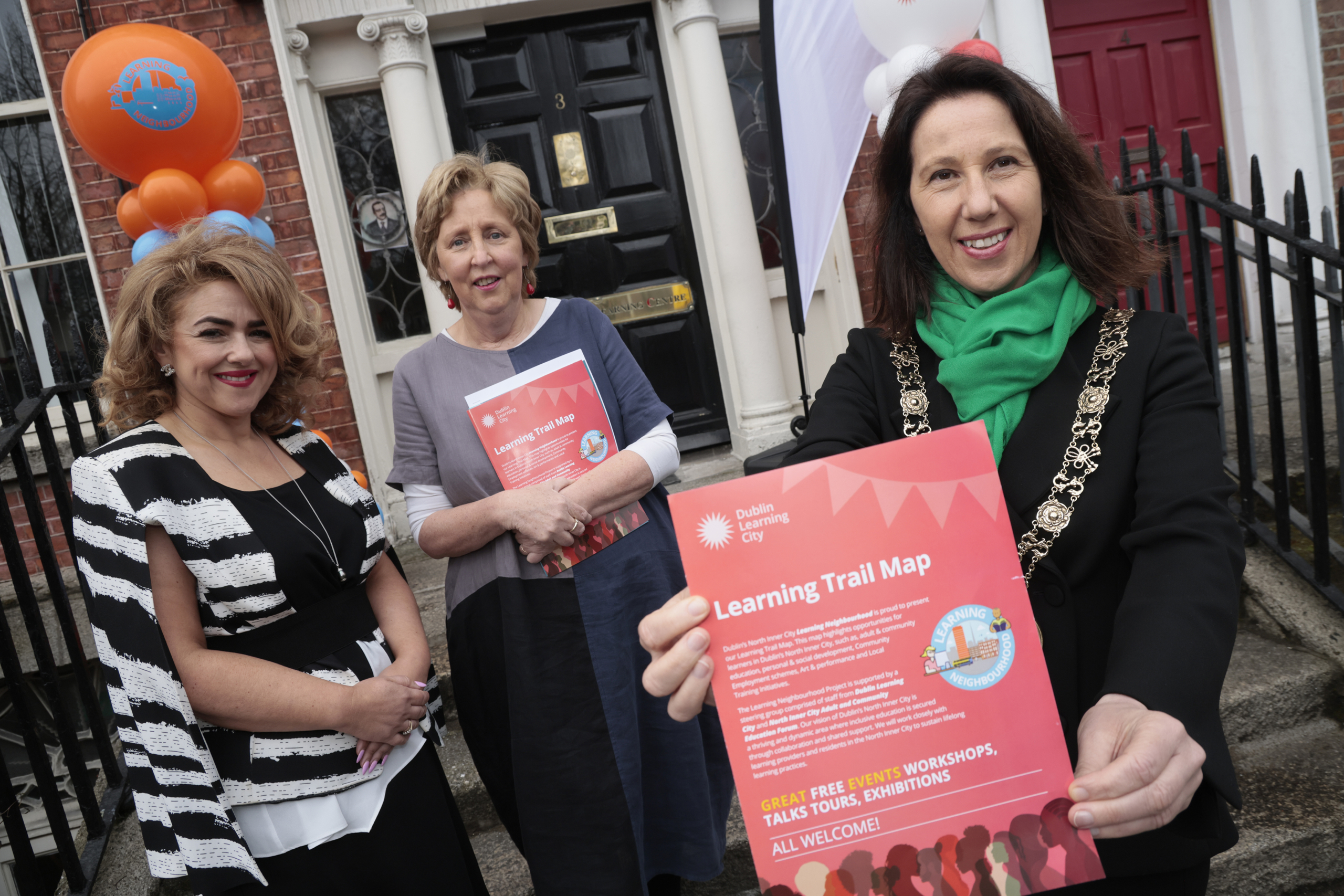
Dublin Learning City developed a Learning Neighbourhood in collaboration with the North Inner City Adult and Community Education Forum (North Dublin) and the Liberties Education Network (South Dublin). Both networks are supported by City of Dublin Education and Training Board and represent a broad range of services and projects engaged in adult and community education. Members provide education, training and development opportunities across areas such as personal and social development, literacy and numeracy, Community Employment (CE) schemes and Local Training Initiatives (LTIs) — spanning both accredited and non-accredited provision, from basic reading, writing, maths and English language, to pre-apprenticeship maths and academic writing workshops for those preparing for college, to craft courses in sewing, weaving and art, local history projects, climate justice programmes and gardening.
Each new Learning Neighbourhood shows what’s possible when local communities and educational partners work together year-round — not just during Festival week — to make learning free, accessible and part of everyday neighbourhood life.